
Diaspora Criticised for Adopting Maasai Clothing Without Cultural Knowledge

Individuals wearing traditional Maasai clothing are increasingly presenting themselves as members of the community, prompting concern among Maasai leaders about authenticity and cultural exploitation.
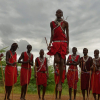
At hotels and beaches in Kenya and Tanzania, people dressed in Maasai robes and carrying spears or clubs often claim to be Maasai for the benefit of tourists. Local residents question these claims, noting that clothing alone does not define membership in the community.
According to Maasai elders, true belonging is shown through behaviour, language and social customs, including respect for elders, fluency in the Maa language, and adherence to communal responsibilities. Outsiders can often detect inauthenticity by observing cultural fluency and mannerisms.
Global interest in Maasai culture increased following Corinne Hofmann’s memoir The White Masai and its film adaptation, which depicted Maasai men in romanticised terms. While commercially successful, these portrayals have encouraged some individuals to adopt or exaggerate Maasai identity to attract tourists, personal relationships, or financial gain, creating distortions that Maasai leaders say misrepresent their culture.
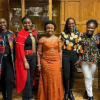
The issue is not confined to East Africa. In diaspora communities, particularly during cultural festivals, some Kenyans wear Maasai attire as a symbol of pan-African identity. Critics argue this reduces Maasai culture to a generic emblem when participants lack understanding of the Maa language or the significance of the clothing.
Leaders are increasingly calling for diaspora communities to celebrate their own ethnic traditions authentically rather than adopting Maasai identity. For Maasai leaders, the stakes are economic as well as cultural. Isaac ole Tialolo, chair of the Maasai Intellectual Property Initiative, condemned the use of Maasai imagery for profit without benefit to the community.
“If you just take what belongs to somebody, and go and display it and have your fortune, then it is very wrong,” he said.
Maasai culture has been commodified in fashion, advertising, and tourism, often excluding genuine artisans and community members from financial gain. The debate reflects a wider tension between global visibility and local control.
Romanticised portrayals and commercial use risk reducing Maasai identity to simplified images that appeal to outsiders while obscuring the complexity of Maasai society. Leaders emphasise that their goal is not to avoid global engagement but to ensure that representation is accurate, respectful, and beneficial.
Authenticity, they argue, is defined by knowledge, language, and cultural belonging rather than costume or performance.






Add new comment