


Ruaka Apartment Dispute Tests Kenya's Promise to Protect Diaspora Investors
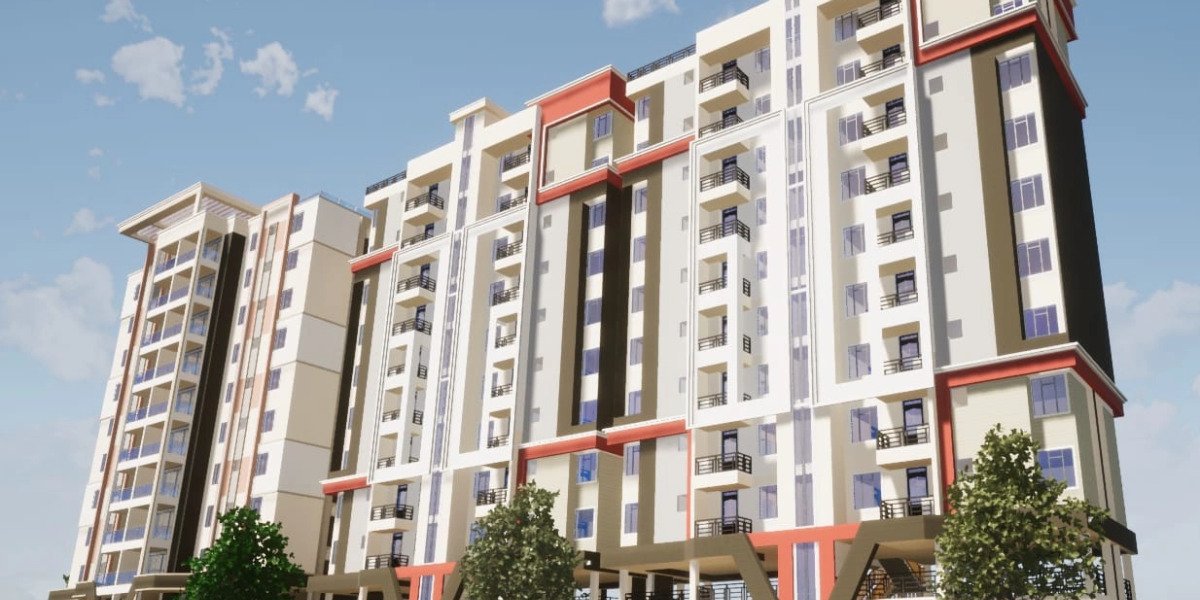
Kenya has made the mobilisation of money from citizens living abroad a central part of its economic development agenda.
However, an unfinished apartment project in Ruaka, Kiambu County, illustrates the difficulties investors can face when a property purchase becomes entangled in disputes over company control, construction financing and accountability. More than 70 diaspora purchasers say they have committed approximately KSh260 million to Fanisi Tigoni View Apartment since 2019.
Construction has stalled, the parties disagree over who should control the development, and a proposed KSh250 million financing package has failed to resolve their differences. The buyers are seeking government intervention, saying they need protection against further financial exposure while the dispute is addressed.
A policy commitment meets a real dispute
The State Department for Diaspora Affairs was established in 2022 to address issues affecting Kenyans abroad and support their participation in national development. Its stated mandate includes protecting diaspora rights and welfare while connecting overseas communities with investment opportunities. The government has since developed a more specific institutional framework for diaspora investment.
The Diaspora Investment Support Office (DISO), established under the State Department for Diaspora Affairs, describes its responsibilities as including investment facilitation, legal and advisory support, dispute-resolution assistance, risk management and post-investment follow-up. These functions are relevant to the Ruaka dispute, in which purchasers say they have approached the department and other investigative authorities. The department acknowledged awareness of the matter and expressed a commitment to protecting diaspora investors.
The importance of records and independent verification
The Ruaka development began with a sales campaign targeting Kenyans abroad. Purchasers say they paid deposits for apartments that were expected to be completed within 24 months of construction beginning in February 2019. When progress fell behind schedule, the buyers sought financial records and questioned the handling of funds. DHML was subsequently established to provide a structure for overseeing the development and representing purchasers' interests.
The parties later disagreed over ownership and management, while construction stopped towards the end of 2025, according to the purchasers' account. Mbugua denies the accusations against him and says they are fabricated. He has offered to finance completion through Sprinter, but only if the project is returned to the company and DHML is removed.
Property buyers should be able to establish who owns the land, which company is selling or developing the apartments, how their payments will be held and what rights they acquire under the purchase agreement. They should also understand the arrangements for construction oversight, financial reporting, dispute resolution and the consequences of delays.
Where multiple buyers are funding one development, independent monitoring and clear rules governing access to financial records can reduce uncertainty when disagreements emerge. For public institutions, the challenge is to make investment support operational rather than merely promotional. That means providing accessible guidance, directing investors to the appropriate regulators, facilitating dispute resolution where possible and communicating clearly about the limits of government intervention.





Comments
No comments yet — be the first.