
Sudan's Farmers Ready to Return Amidst Devastated Economy
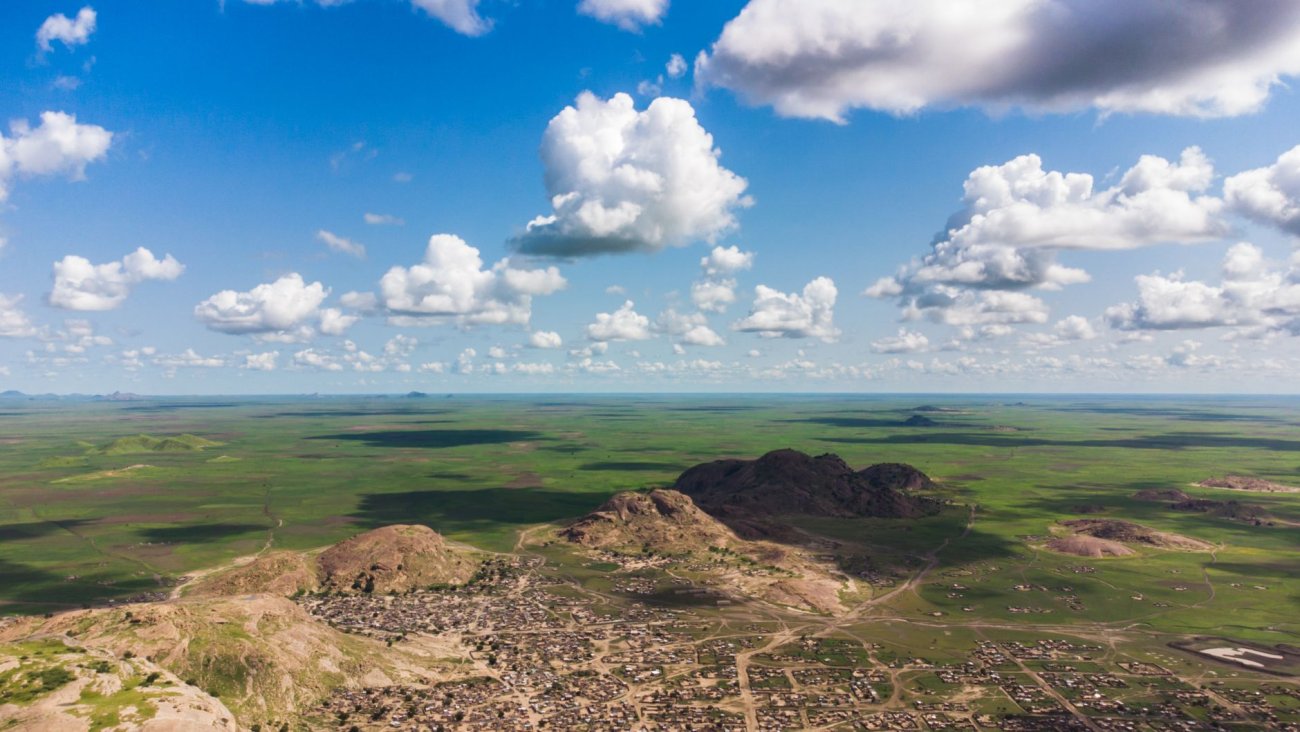
In the aftermath of a prolonged conflict, Sudan's agricultural sector faces significant challenges as farmers strive to resume operations in a war-torn economy. The United Nations has spearheaded a plan to attract private sector investment, aiming to revitalize agricultural production and support the nation's economic recovery. This initiative focuses on mobilizing resources that will enable Sudanese farmers to return to their fields, an essential step to easing the humanitarian crisis exacerbated by the war.
The conflict in Sudan has severely impacted the country’s economy, with agriculture, a critical component, experiencing substantial setbacks. The destruction of infrastructure and displacement of communities have left farmers unable to access their land, threatening food security in a region already vulnerable to climatic and economic shocks. According to the UN-backed plan, private investments will be instrumental in restoring agricultural productivity by providing the necessary capital and technological support for farmers.
Sudan's situation underscores a broader trend in developing nations where private investment is increasingly seen as a vital component for economic recovery post-conflict. The involvement of the private sector is anticipated to not only boost agricultural output but also create job opportunities and stabilize the livelihoods of those returning to rural areas. The potential for increased agricultural production is significant in improving food security, a pressing issue in Sudan and similar contexts across Africa and other developing regions.
As the implementation of the UN-backed initiative progresses, international stakeholders will closely watch its impact on Sudan’s agricultural landscape. The success of this plan could serve as a model for other nations facing similar post-conflict challenges, demonstrating the critical role of private investment in rebuilding economies and supporting sustainable development. The international community's response and commitment to facilitating private sector engagement will be crucial in determining the long-term recovery and stability of Sudan's agricultural sector.




Comments
No comments yet — be the first.