


Why Whitening Toothpaste Cannot Guarantee a Brighter Smile
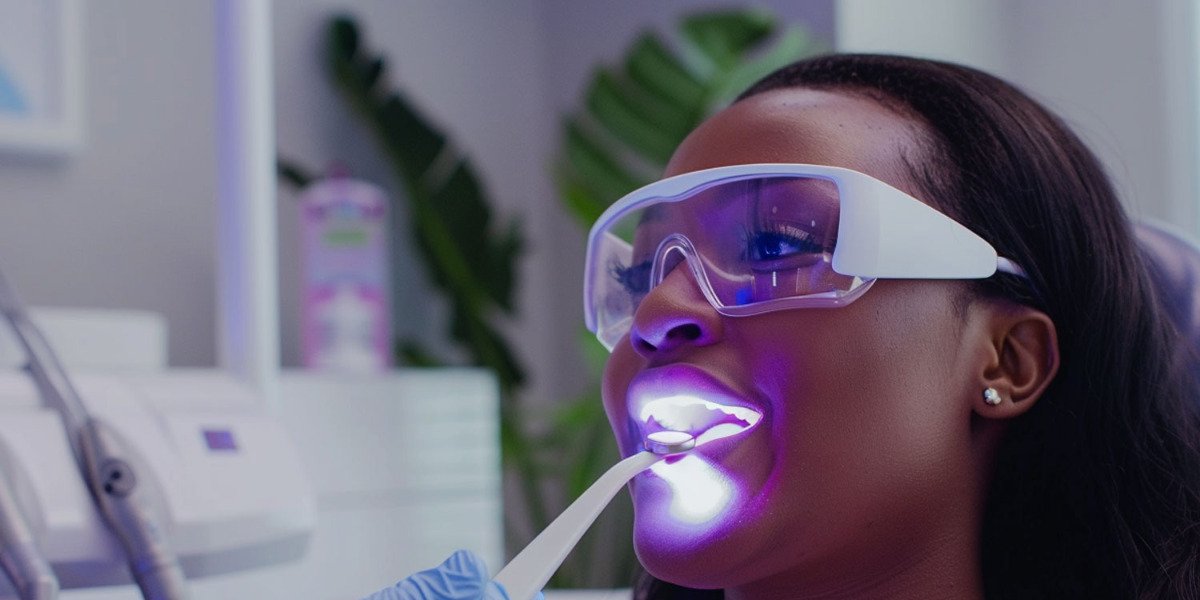
Whitening toothpaste can remove stains without changing the natural colour of teeth, a distinction that helps explain why some consumers may not achieve the results they expect from cosmetic oral-care products.
The American Dental Association says whitening toothpastes primarily target extrinsic stains, which accumulate on the enamel's surface through exposure to substances such as coffee, tea, tobacco and other strongly coloured foods and drinks. Products that rely on abrasive ingredients can help remove this discolouration. However, they do not necessarily lighten stains that originate within the tooth.
This difference is central to advice from Arif Al-Suwaidi, co-founder and chief executive of UK dental clinic Zental, who has highlighted common habits that could undermine people's efforts to achieve whiter teeth.
Abrasiveness is not a simple measure of danger
Toothpaste abrasiveness is commonly assessed using the Relative Dentin Abrasivity scale. The American Dental Association states that values of 250 or below fall within the accepted safety threshold when products are used properly. The figure does not mean that every toothpaste scoring above 200 is dangerous, nor does a higher score automatically establish that a product will damage enamel during ordinary use.
The association explains that the scale was not designed to rank the safety of toothpastes against one another at values below 250. Clinical evidence also indicates that proper brushing with toothpaste within the accepted limit produces limited dentin wear and virtually no enamel wear over a lifetime.
For consumers, this means product selection should not depend on a single numerical score or the assumption that all whitening formulations are excessively abrasive. The more useful approach is to use fluoride toothpaste regularly, brush with appropriate technique and seek dental advice if teeth become sensitive or discoloured.
The difference between surface stains and tooth colour
Teeth can appear yellow for several reasons. Surface stains may result from tobacco use or frequently consuming pigmented foods and drinks. Ageing and other factors can also influence the natural appearance of teeth.
Because whitening toothpaste mainly removes surface stains, its effectiveness depends partly on what is causing the discolouration in the first place. Professional whitening works differently. The NHS explains that dental whitening uses a gel to lighten the colour of natural teeth. Treatment should follow an assessment of the teeth and gums, with a dental professional determining whether it is appropriate.
Whitening does not change the colour of crowns, dentures or implants, and the results are not permanent. Treatment can also cause temporary sensitivity or gum irritation. The NHS advises against using whitening kits purchased from unregulated sources or receiving treatment from people who are not appropriately qualified, because these approaches can harm teeth and gums.
Mouthwash can stain rather than whiten
Chlorhexidine illustrates why oral-care products should be used for their intended purpose. The antiseptic can help manage gum disease and certain oral infections, but the NHS identifies tooth staining as a possible consequence of prolonged use. The American Dental Association also notes that chlorhexidine and cetylpyridinium chloride can cause brown staining of teeth, the tongue and dental restorations.
That does not make these ingredients universally unsuitable. Their benefits and potential side effects depend on the product, treatment objective and duration of use. Patients using prescribed mouthwash should follow professional instructions and ask for a review if they need to continue treatment.
Vaping and the limits of the evidence
Claims that electronic cigarettes protect users from dental discolouration also require caution. A 2019 study published in the Journal of Esthetic and Restorative Dentistry found that e-cigarette aerosols could alter the colour of laboratory enamel samples. A separate laboratory study reported increased bacterial adhesion and reduced enamel hardness after exposure to sweet-flavoured aerosols.
Dry mouth deserves attention
Saliva contributes to the mouth's natural defences. Reduced saliva can leave people more vulnerable to tooth decay, making persistent dry mouth an important issue even when the immediate concern is appearance. The NHS recommends drinking water regularly, chewing sugar-free gum and seeking advice when dryness persists or may be linked to medication.
Al-Suwaidi's advice is a reminder that cosmetic dental goals should be considered alongside oral health. Before increasing the frequency or strength of whitening treatments, consumers should establish what is causing the discolouration and whether the proposed treatment is suitable. A brighter smile may require professional assessment rather than another product.






Comments
No comments yet — be the first.