
Kenya to Release First Ebola Contacts After 21 Days in Quarantine
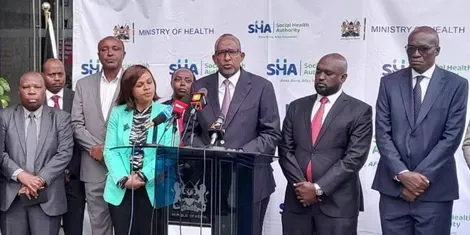
Kenya will release its first group of Ebola contacts on October 25 after they completed the mandatory 21-day monitoring period without developing symptoms, the Ministry of Health has announced.
The group comprises individuals linked to the country's first confirmed Ebola case, reported on October 6. Health Director-General Dr Patrick Amoth said none of those scheduled for discharge had developed symptoms during the observation period.
The Kenya National Public Health Institute (KNPHI) will coordinate the exercise, led by its Acting Director-General, Dr Kamene Kimenye. The release marks a key stage in Kenya's efforts to contain the outbreak through contact tracing, quarantine and close monitoring of people exposed to the virus.
Despite the progress, Amoth cautioned that the outbreak remains a public health concern and that surveillance must continue. Health officials have not detected community transmission, with the known infections linked to the original patient. However, authorities are maintaining close monitoring to identify any new cases and prevent further spread.
The absence of detected community transmission suggests that containment measures are helping to limit the outbreak. Rapid contact tracing and quarantine remain essential in controlling Ebola, particularly during the early stages of an outbreak.
Kenya has recorded nine confirmed Ebola infections. The latest case involved a 24-year-old man who tested positive while in quarantine, demonstrating the importance of monitoring exposed individuals even when they have not developed symptoms.
By October 20, health authorities had traced and placed 134 of the 135 identified contacts under monitoring. Officials are continuing efforts to account for the remaining contact and ensure that all identified individuals receive the required follow-up.
The coming weeks will be critical in determining whether the outbreak is brought under control. Under World Health Organisation (WHO) guidelines, an outbreak can be declared over after 42 consecutive days without a new confirmed or probable case. The period begins after the last patient tests negative twice, with the tests conducted at least 48 hours apart, or after a safe burial if the patient dies.
International support has also contributed to Kenya's response. India recently donated Ebola-response supplies worth KSh83.4 million, including personal protective equipment, N95 masks and sample transport kits. The supplies are expected to strengthen the country's ability to detect suspected cases, monitor exposed individuals and handle infections safely.
Meanwhile, medical laboratory professionals have called for better support for workers handling potentially infectious specimens. Their demands include improved risk allowances, adequate protective equipment, specialised training and comprehensive insurance coverage.




Comments
No comments yet — be the first.